
 TIME 2026
The Web Conference 2026
TIME 2026| Home | Calls | Media | Program | Organisation | WWW26 |
The TIME 2026 workshop, organized as part of The Web Conference 2026 (WWW 2026), represents a pivotal initiative in advancing cross-domain knowledge exchange and methodological innovation in contemporary web technologies. It addresses critical digital ecosystem challenges including privacy, algorithmic bias, and ethical web practices. It serves as a collaboration platform for academics and industry experts focusing on social network analysis, graph algorithms, web mining, security, and ethics.
|
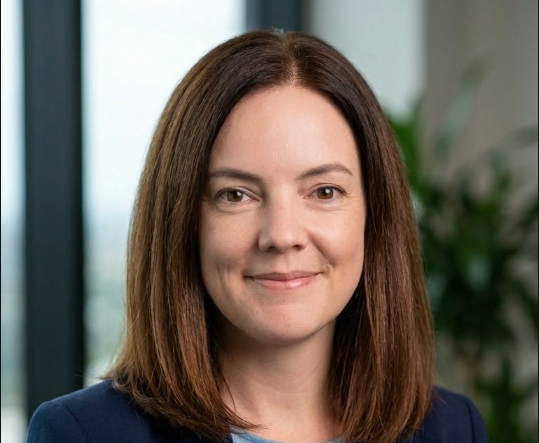
Dr. Rimma Shafikova
VGW, Australia Bio: Rimma Shafikova is a Senior Data Scientist from Western Australia with a decade of experience spanning large-scale machine learning, graph technologies, and big data processing. Bridging academic research and industrial application, she specializes in developing robust, interpretable evaluation frameworks for modern digital ecosystems. Rimma regularly contributes to the data engineering community through technical presentations at forums like YOW! and DataEngBytes, focusing on the practical challenges of taming probabilistic AI systems. She is dedicated to advancing ethical, transparent, and high-impact AI practices. |
|
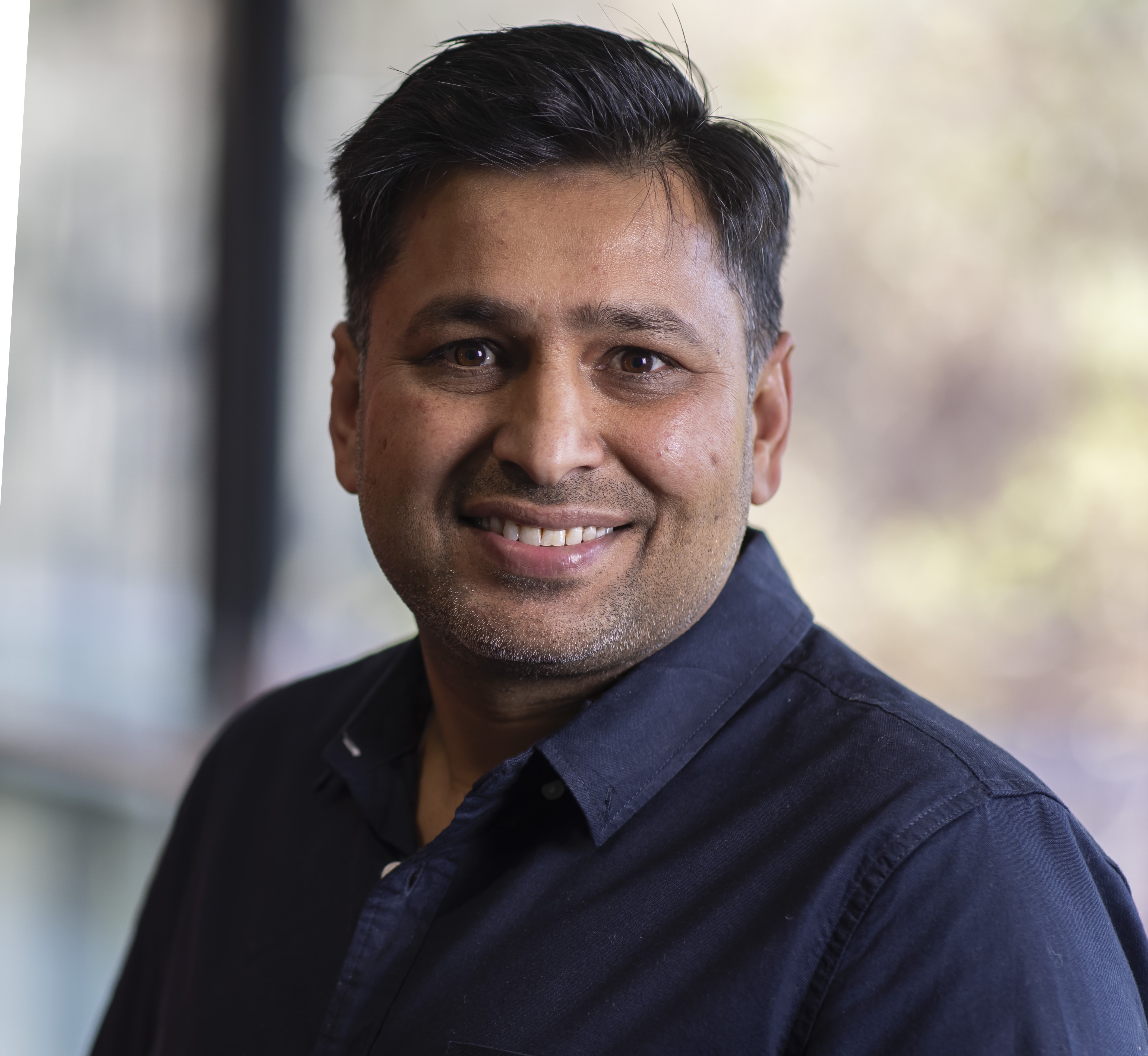
Assoc. Prof. Imran Razzak
H-index: 65, Citations: 18,288 Mohamed bin Zayed University of Artificial Intelligence (MBZUAI), UAE Bio: Imran Razzak is an Associate Professor and Lead of the GenMI Lab at the Mohamed bin Zayed University of Artificial Intelligence (MBZUAI), Abu Dhabi, and Founder & CEO of BiOmni and MedOS. His research focuses on trustworthy multimodal AI for healthcare, spanning medical imaging, clinical language models, genomics, and biomedical foundation models. His expertise includes medical AI, multimodal learning with special emphasis on early diagnosis and longevity. He has authored over 300 publications in leading venues including NeurIPS, ICML, ICLR, CVPR, ECCV, ACL, EMNLP, IEEE TNNLS, IEEE TMI, and Nature Communications, with more than 19,000 citations and an H-index of 66. He has led large-scale interdisciplinary initiatives and secured over USD 15 million in competitive research funding. At MBZUAI, he leads research on multimodal medical foundation models, agentic AI systems for healthcare, clinical reasoning, precision medicine, and AI-driven scientific discovery. His work aims to develop safe, reliable, and human-centered AI systems that transform healthcare delivery, enable personalized and preventive care, and improve health outcomes at scale. Through his research and leadership, he continues to advance the frontiers of trustworthy AI for the future of healthcare and human longevity. |
|
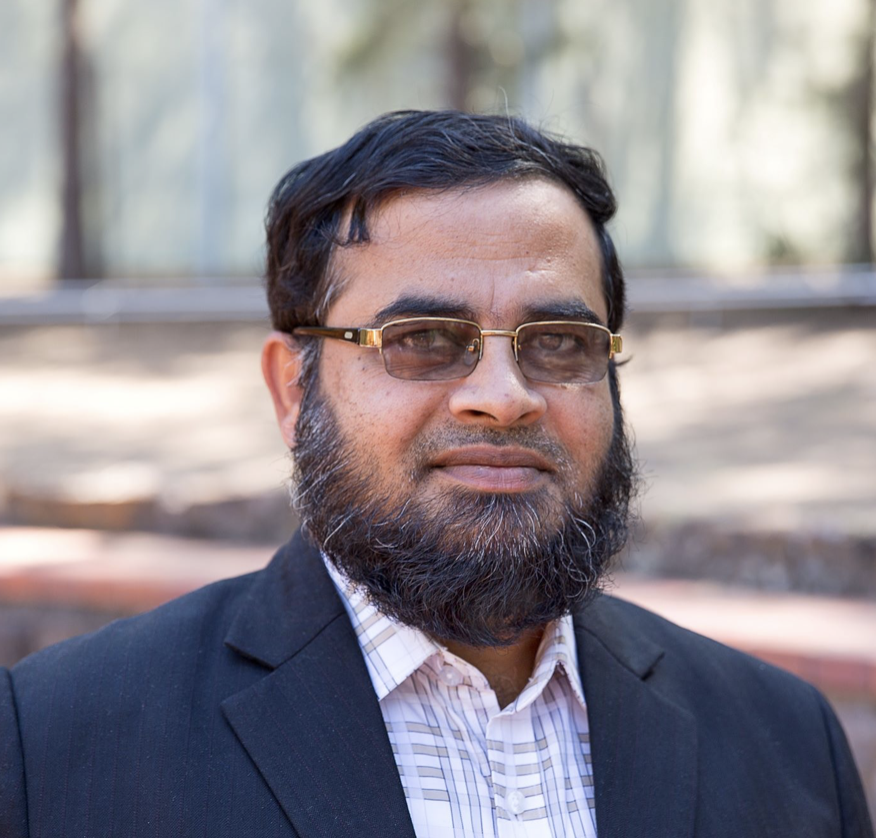
Prof. Rafiqul Islam
H-index: 54, Citations: 11,842 Charles Sturt University, Australia Bio: Rafiqul Islam is working as an Associate Professor at the School of Computing, Mathematics & Engineering at Charles Sturt University, Australia. He has a strong research background in Cybersecurity with a specific focus on malware analysis and classification, Authentication, security in the cloud, privacy in social media and Internet of Things (IoT). He is the CSU Academic Lead of the cybersecurity CRC, leads the Cybersecurity research group, and has developed a strong background in leadership, sustainability, and collaborative research in the area. He has a strong publication record and has published more than 200 peer-reviewed research papers. His contribution is recognised both nationally and internationally through achieving various awards such as the Professional Excellence Award, VC Award, Research Excellence Award, and the Leadership Award. In 2021, Dr Islam received the Cyber Security Researcher of the Year Award from the Australian Information Security Association (AISA) for a project funded by the Cyber Security CRC and Quintessence Lab. He is a co-recipient of more than 18 external grants with a combined cash funding of more than $7M for the projects. |
|
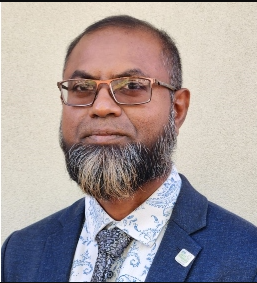
Dr. Syed Mohammed Shamsul Islam
H-index: 27, Citations: 5,224 Edith Cowan University, Australia Bio: Dr. Islam is a Senior Lecturer in Computer Science at Edith Cowan University, a founding member of the Centre for AI and Machine Learning, and lead of the 3D Sensing, Visualisation and Analytics Lab. His research spans AI, medical imaging, robotics, bioinformatics and environmental monitoring, with a particular strength in analysis of 2D and 3D image data and translation of computational methods across real-world applications. He completed his PhD with Distinction in Computer Engineering at The University of Western Australia and has supervised 15 HDR students to completion. He has published over 100 scholarly articles, attracted 31 media releases, secured over A$3 million in grants, and received awards including ECU’s High Achieving Researcher Award. He is an Associate Editor of IEEE Access and a regular reviewer of CVPR, ECCV, WACV conferences and 10+ Q1 journals. |
For questions about submissions, participation, or workshop logistics, please contact the organizing team at time.lab@griffith.edu.au.